
How to Get Traffic to Your Website: 12 Free Methods That Actually Work (2026)
Your website is live, the analytics are empty, and everyone's advice is either 'post on social media 5 times a day' or 'buy ads'. Here are the 12 free methods that actually bring visitors in 2026 - ranked by effort and payoff - plus a realistic 30-day starting plan.
 Ali RehmanFreelance Web Developer
On this page 8 sections
You built the website, launched it, checked the analytics a week later and... four visits. Two were you. One was your mom. This is the single most common situation I hear from small business owners - usually followed by “do I need to be on TikTok now?”
No. Here is the honest version nobody sells: free traffic is absolutely real in 2026, but it comes from a handful of unglamorous methods done consistently - not from hacks, viral dreams or posting into the void. I use these exact methods on my own projects and on client sites, so this guide is ranked by what actually pays off, with a 30-day starting plan at the end.
First: why is your website not getting traffic?
Before adding anything new, diagnose. Ninety percent of dead-analytics cases trace back to one of these five - each takes minutes to check:

- 1Google hasn't indexed you. Search
site:yourdomain.com. Nothing? Your problem isn't traffic strategy - it's visibility. Work through why a site doesn't show up on Google first. - 2Your pages target keywords nobody searches - or worse, no keyword at all. “Welcome to our website” ranks for nothing. Every page needs one real search it exists to answer.
- 3You have 5 pages and expect 500 visitors. Traffic scales with the number of search intents you serve - that is the whole logic behind how many pages a website needs.
- 4The site is slow or broken on phones. Google demotes it and visitors bounce before it paints. Run the checks in why is my website slow.
- 5The domain is 6 weeks old. New sites sit in a low-trust window for their first months. That is normal - it is a reason to start now, not a reason to quit.
The 12 free methods, ranked by payoff
1. Target keywords people actually type
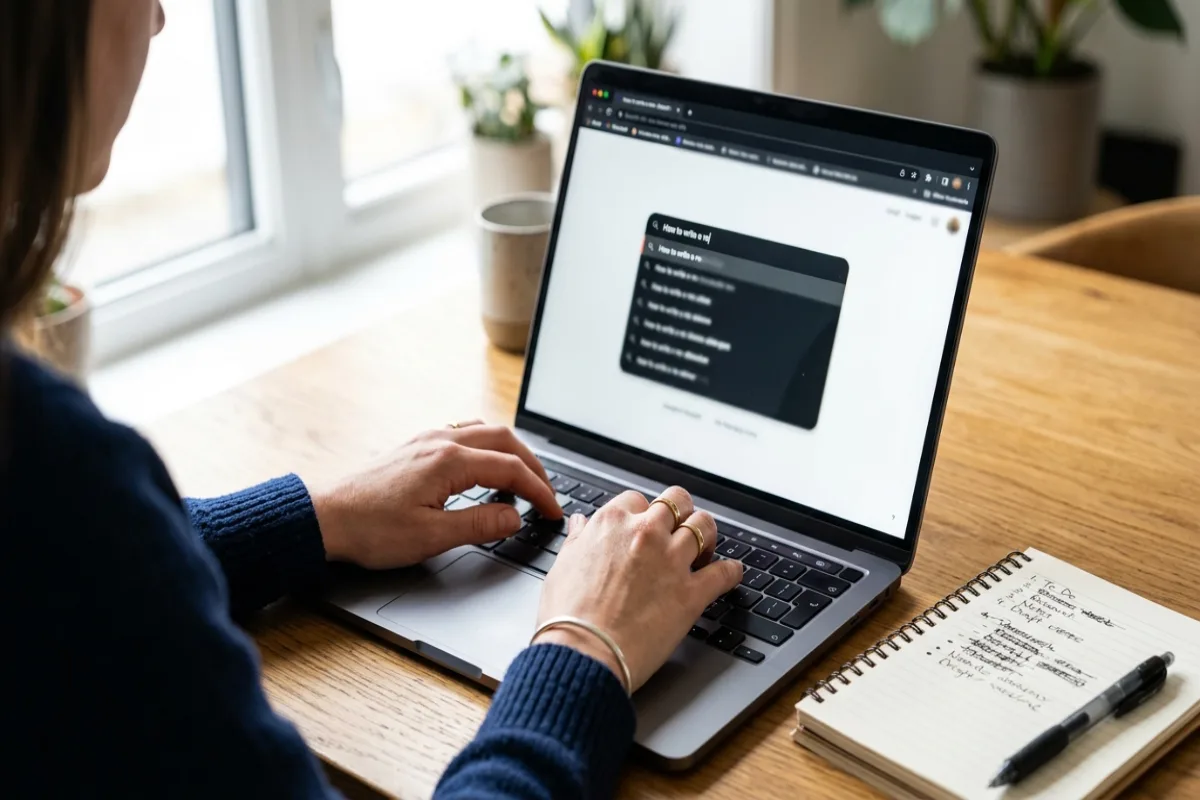
Open Google, start typing what your customer would type, and read the autocomplete suggestions - that dropdown is a free, live database of real searches. “Emergency plumber Karachi”, “how much does a bathroom renovation cost”, “Shopify vs WooCommerce for small store” - these are traffic you can win. Head terms like “best developer” belong to billion-dollar directories; long-tail questions belong to whoever answers them best.
2. Give every service its own page
One “Services” page listing eight services can rank for roughly one thing. Eight service pages can rank for eight families of searches. This restructure alone has doubled traffic on sites I've redesigned - no new content, just pages matched to intents.
3. Answer money questions on a blog
“How much does X cost”, “X vs Y”, “how long does X take”, “is X worth it” - your customers ask these before every purchase, and most of your competitors are too lazy to answer honestly. Cost guides and comparisons are the highest-intent content that exists; the person searching is already reaching for a wallet. The playbook for writing them is in how to write website content that converts.
4. Claim the map: Google Business Profile + local pages
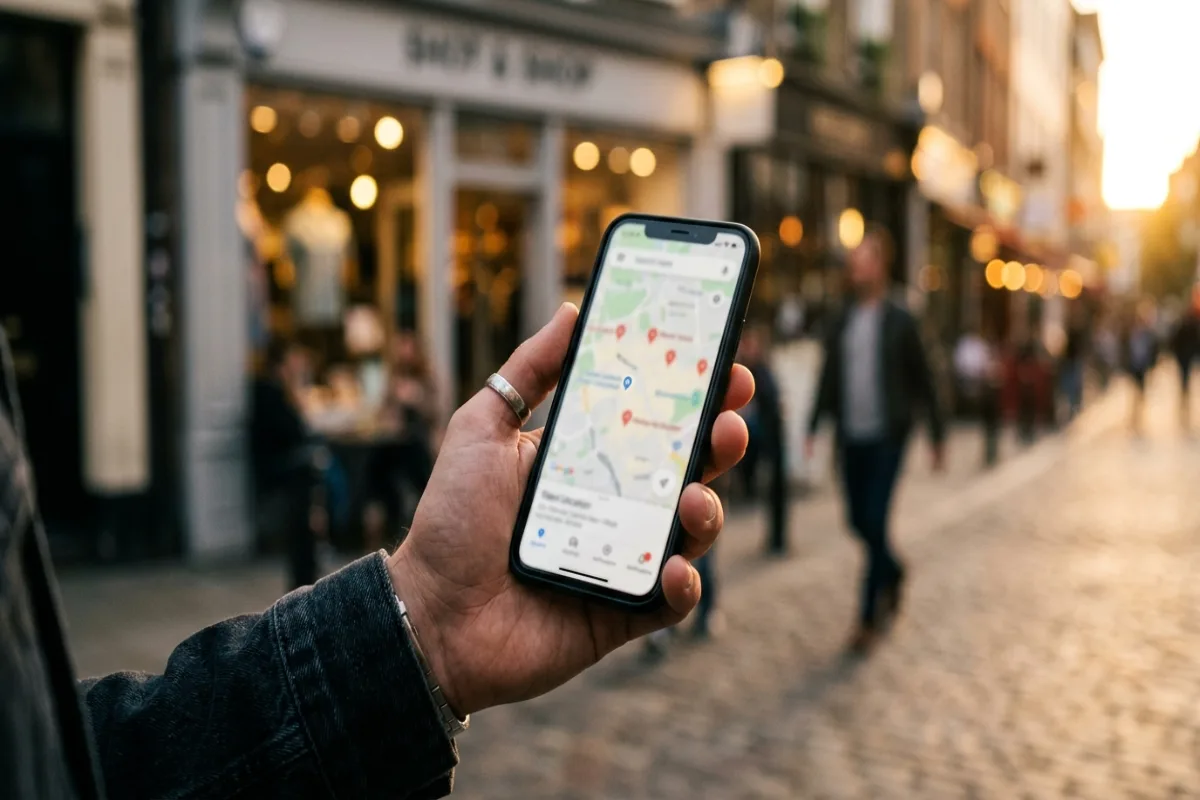
If you serve a physical area, local search can be a useful channel. Keep your business profile accurate, respond to genuine reviews and create useful information for the areas you actually serve. The local SEO guide covers the practical checks. For a service-first website example, see the completed personal Huefield Painting project. Its representative artwork and case-study content are not a claim of search rankings or a live painting business.
5. Fix the technical basics once
Sitemap submitted in Search Console, no accidental noindex, HTTPS, clean URLs, schema markup so Google understands who you are. None of this creates traffic by itself - it removes the ceiling on everything else. One afternoon with the technical SEO checklist covers it.
6. Make the site genuinely fast
Speed is a ranking factor, but the bigger effect is human: slow pages lose visitors before analytics even counts them. Compressed images, decent hosting, no plugin bloat - and if you are on a modern stack, the Next.js performance guide shows what 90+ scores actually take.
7. Link your own pages together
Internal links are free authority. Every blog post should link to your service pages; every service page to related guides. It helps Google crawl deeper, spreads ranking power, and keeps visitors on site longer. (You have noticed this article doing exactly that - it is deliberate.)
8. Earn free backlinks without spam
Skip fiverr link packages - they hurt. Free links that work in 2026: industry directories (Clutch, GoodFirms for services), your chamber of commerce, suppliers and partners who list clients, local news for genuinely newsworthy things, and one thoughtful guest post per quarter on a site your customers actually read. Five real links beat five hundred junk ones.
9. Show up where your customers already gather
Reddit threads, Facebook groups, industry forums, communities - not to drop links, but to answer questions well with your site in your profile. One genuinely helpful answer in the right thread can outperform a month of posting into an empty feed. This is “social” that works without an audience of your own.
10. Repurpose instead of producing
If you do use LinkedIn or Instagram, don't create separate content - slice what you already wrote. One blog guide becomes five posts: the checklist, the mistake, the cost table, the before/after, the FAQ. Link back in comments. The blog does the ranking; social does the distributing.
11. Start an email list on day one
Email is the only traffic channel you own - no algorithm between you and the reader. A simple “get the checklist” opt-in plus one useful email a month turns one-time visitors into returning traffic and eventually leads.
12. Update old pages (the forgotten multiplier)
Google rewards freshness on pages that already rank. Twice a year, update your best pages: current prices, this year's numbers, new FAQ entries, better internal links. A refreshed page often jumps in days - far faster than a new page climbs. It is also the cheapest item on any maintenance plan.
“But I need traffic FAST” - the honest timeline
Free traffic compounds; it does not sprint. Realistic expectations for a small business site doing the work:
- Weeks 1–4: impressions start appearing in Search Console - Google is testing you. Clicks lag behind. This silence is normal, not failure.
- Months 2–3: long-tail pages start winning positions 5–15; local pack appearances if you did method 4.
- Months 4–6: the compounding kicks in - older posts feed newer ones, rankings consolidate, traffic stops being zero.
- Need visitors this week? That is what paid ads and a proper landing page are for - rent traffic while the free engine warms up. Fast and free together is the one combination that does not exist.
Can you get traffic without social media?
Yes - completely. Search-first businesses do it every day: methods 1–8 above involve zero posting, zero followers, zero content hamster wheel. A plumber with strong service pages, a complete Google Business Profile and thirty answered questions on a blog will beat a plumber with 10,000 Instagram followers for every search that ends in a phone call. Social is a distribution amplifier, not a requirement - if it drains you, skip it without guilt.
Your first 30 days (copy this plan)

- 1Days 1–2: diagnose - Search Console set up,
site:check, indexing fixed, speed tested. - 2Days 3–5: keyword list - 20 real searches from autocomplete: 10 service-intent, 10 question-intent.
- 3Week 2: split services into individual pages, each targeting one search; complete your Google Business Profile fully.
- 4Week 3: write your first two money answers - one cost guide, one comparison - and interlink them with your service pages.
- 5Week 4: claim 5 legitimate directory/partner links, set up the email opt-in, request indexing on every new URL in Search Console.
- 6Ongoing: one new targeted page or post per week, one old page refreshed per month. Boring. Compounding. Works.
How to measure it (so you don't quit at week 3)
Most owners abandon SEO right before it works because they watch the wrong number. Google Analytics tells you about visitors you already have; Google Search Console tells you whether Google is warming up to you - and that signal moves first. Watch it in this order:
- Impressions (weekly): the first sign of life. Rising impressions with few clicks means Google is showing you on page 2–3 - keep going, you are climbing, not failing.
- Average position (monthly): a page moving 40 → 18 → 9 is a future traffic source. Positions 5–10 are one content-refresh away from clicks.
- Queries you didn't expect: Search Console's query report shows searches you're accidentally ranking for - each one is a free brief for your next page.
- Clicks (monthly, not daily): the lagging indicator. Judging week one by clicks is like judging a sapling by its fruit.
One habit: every Monday, ten minutes in Search Console - impressions trend, new queries, pages sitting at positions 5–15. That short list decides what you write or refresh next. Traffic work without this loop is guessing.
FAQ: quick answers
How long does it take to get traffic to a new website?
First impressions in 2–6 weeks, meaningful clicks around months 2–4, compounding growth from month 6 - assuming pages target real searches and the technical basics are clean. Domains with zero backlinks sit at the slower end.
How much traffic is normal for a small business website?
Less than most owners think: a local service site doing 300–1,000 visits a month can be extremely profitable if the visitors are the right ones. Ten thousand random visitors are worth less than a hundred people searching “[your service] near me” - which is why conversion matters as much as volume.
Is paid traffic better than free traffic?
Different jobs: paid is a tap (instant, stops when you stop paying), free is a well (slow to dig, then flows for years). Most growing businesses run ads to a landing page for this quarter's leads while building organic pages for next year's.
Do I really need a blog to get traffic?
For informational searches - yes, it is the only practical way to own them. But service pages plus local SEO can carry a local business surprisingly far alone. Blog only if you can sustain one useful post every week or two; a dead blog helps nobody.
I get traffic but no customers - what's wrong?
That is a conversion problem, not a traffic problem - usually weak calls-to-action, slow pages, or missing trust signals. Start with the 7 warning signs and the 9 lead-generation fixes.
Bottom line
Free traffic in 2026 is not a secret - it is a system: pages that answer real searches, a complete local presence, a handful of honest links, and the patience to let compounding work. Pick method 1 plus two others, run the 30-day plan, and stop measuring in days. The businesses that win search are simply the ones still publishing in month six.
Written by
Ali Rehman - Freelance Web Developer
I work on WordPress websites, practical fixes and scoped web applications. Read my background and skill scope, or send a project brief to discuss a written plan and quote - start here.
More articles by Ali Rehman →