01
Responsive interfaces
Turn an agreed design or Figma file into reusable React and TypeScript components, with mobile layouts, accessible controls and the important empty, error and loading states.
 Ali Rehman
Thoughtful websites. Useful web-app features. Focused improvements to what you already have. A clear scope, a working preview and a handover you can build on.

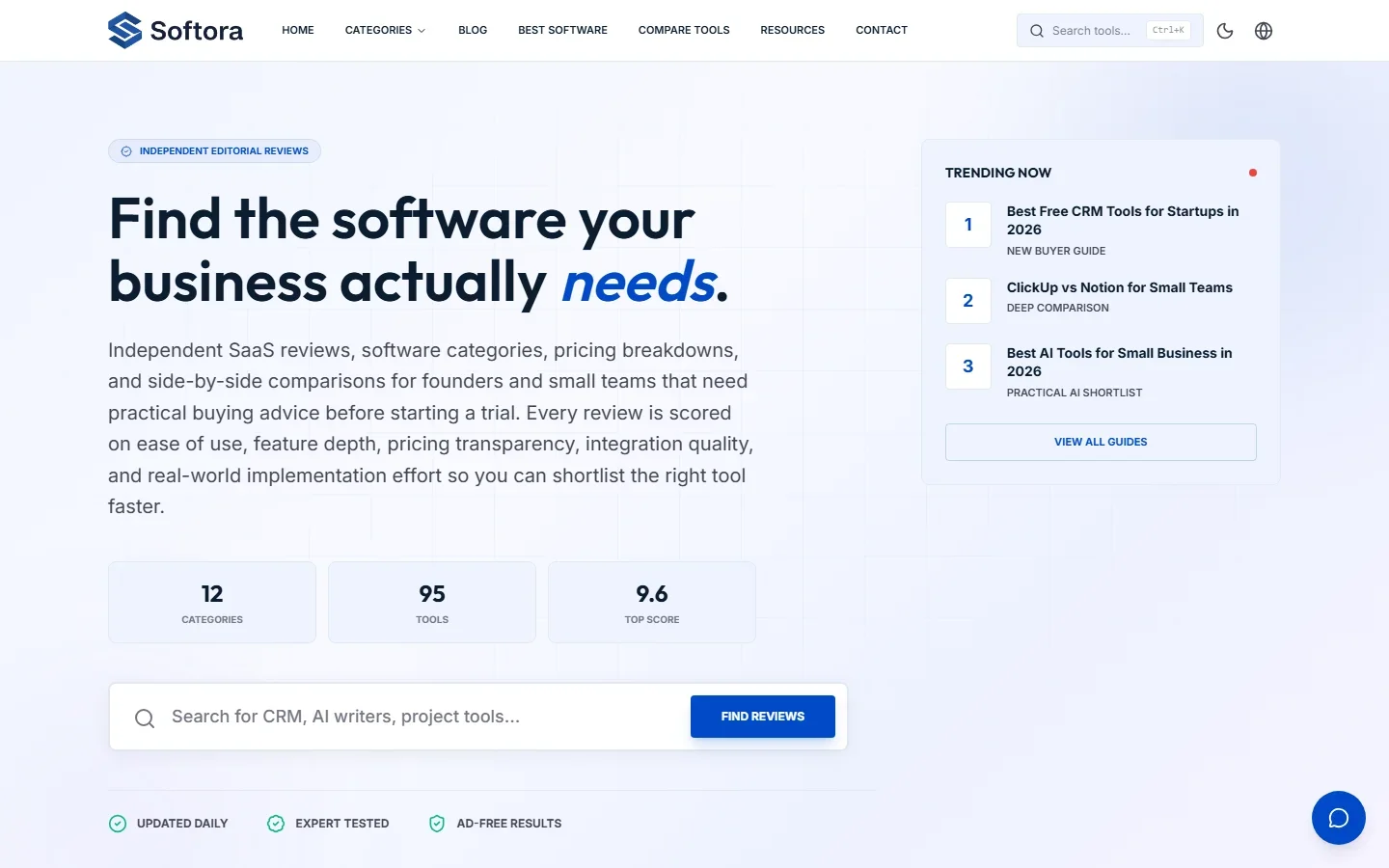
Next.js development for a useful outcome. Choose the closest starting point; the right solution begins with your requirements.
These are the pieces we can bring into scope. Choose what your project needs—not a package of features you will never use.
Turn an agreed design or Figma file into reusable React and TypeScript components, with mobile layouts, accessible controls and the important empty, error and loading states.
Connect an appropriate CMS or a scoped admin workflow. Plan reusable content types, preview and publishing—not just how the finished page looks.
A directory, small dashboard, account area or API-backed workflow. Roles, validation and data access are reviewed before complex requirements are accepted.
Review an existing page’s images, JavaScript, rendering and caching. Agree a specific change and compare before/after behavior under comparable conditions.
Page titles, headings, crawlable links, canonical URLs, suitable structured data, sitemaps and redirect checks for public content. Private pages stay private.
A documented release on an agreed host, source-code access and notes for content, configuration and ongoing care. Provider costs and support scope stay explicit.
Public pages can be prerendered or refreshed when needed. Account data needs server-side access checks. Rendering, caching and validation follow the job—not one setting for the whole site.
Next.js is a tool, not a promise of perfect scores, search rankings or business results.
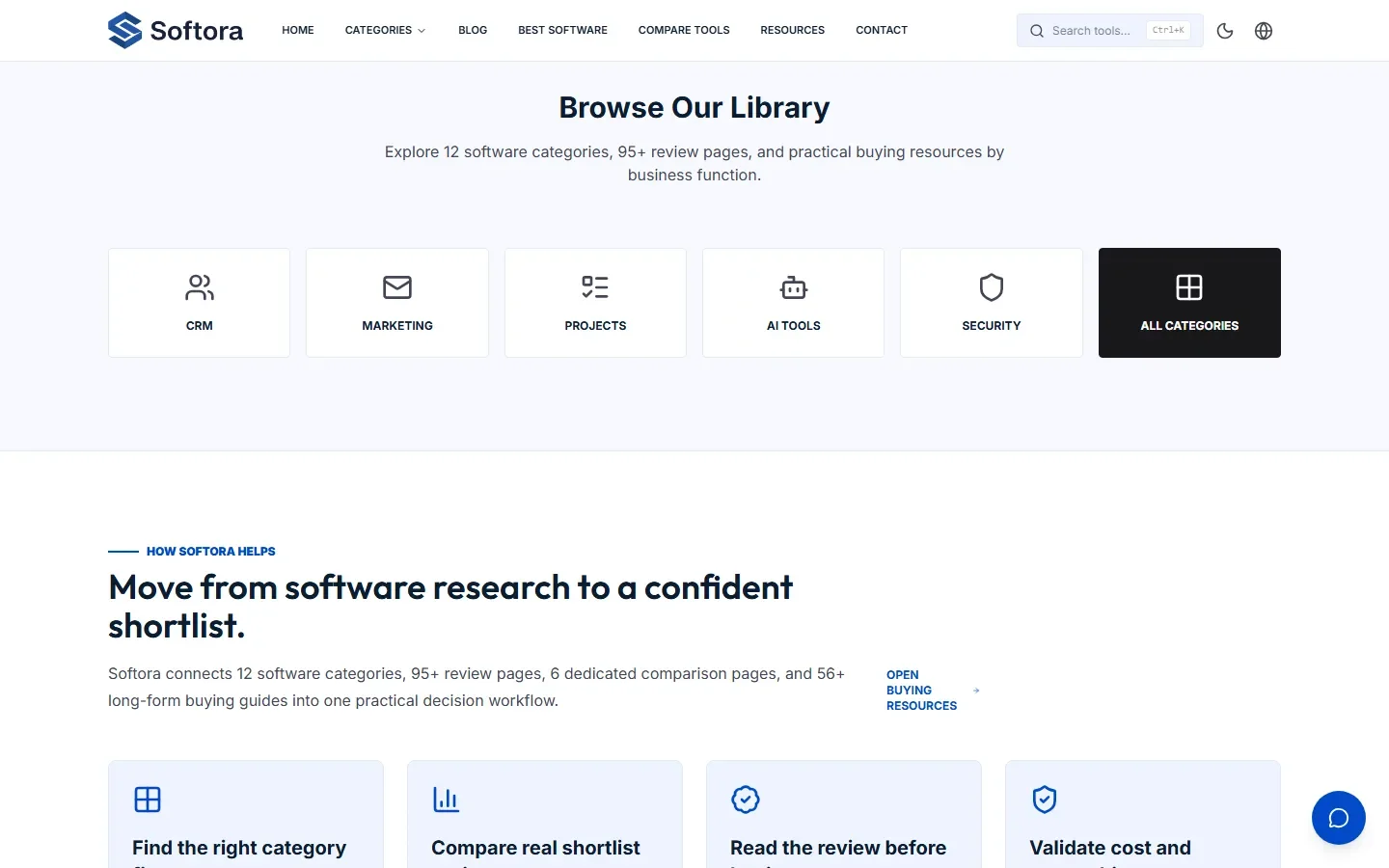
Actual project screenshot. Interface evidence, not a traffic or client-results claim.
Softora Guide brings software categories and editorial buying guides into an organised browsing experience. It is an independently implemented Next.js website, not a client delivery.
This portfolio is another personal implementation. Other completed personal case studies use representative interface artwork, not screenshots of the finished applications or evidence of a specific technology stack.
WordPress and PHP are my primary professional experience. I have foundational React knowledge and practical Next.js, TypeScript and PostgreSQL project experience through AI-assisted implementation and testing. Complex requirements are reviewed before agreeing to delivery.
Direct, written collaboration with a freelance developer in Lahore, working remotely. A clear next step at every stage.
Share your goal, current URL or design. We check whether Next.js is useful here and identify the questions that need answering first.
Pages, workflows, content, access, price and acceptance checks go into a written scope. Unknown integrations are investigated before promises are made.
Follow the work through focused previews. Test the main journeys, mobile layouts and failure states against the agreed scope.
Check the release, provide the agreed code and setup notes, and clarify support or maintenance. Launch is a deliberate step, not a surprise link.
Bring the goal, your current site or designs, and your budget. We work out the right first step before putting a price on it.
A clear issue or opportunity is the starting point—not a full rewrite by default.
Plan the pages, design and content workflow before committing to a build.
Review the workflow and technical fit, then define the first useful increment.
Every Next.js project is priced after a requirements review. Pages, design readiness, content editing, user roles, integrations and migration determine the quote. Hosting, CMS subscriptions and other provider fees are separate unless included in writing. No work starts before the scope, price and review points are agreed.
Platform fit, content, cost and the details of working together.
Ask about your projectNext.js can suit a custom interface, structured content or a focused application workflow. If your main need is an editable business website with familiar plugins, conventional WordPress may be simpler to own. We compare the editing, hosting and maintenance needs before choosing.
Next.js is a React framework. React supplies the component model; Next.js adds conventions for routing, rendering and server features. The right choice depends on the project, not on one being universally better.
WordPress and PHP are my primary professional experience. I have foundational React knowledge and practical Next.js, TypeScript and PostgreSQL project experience through AI-assisted implementation and testing. Softora Guide and this portfolio are personal implementations. Complex requirements are reviewed before agreeing to delivery.
Yes, when the work fits the reviewed scope. Start with the public URL and a specific issue. I can review page behavior, responsive layout, images, JavaScript, metadata and caching, then propose targeted changes. Repository access may be needed later through a secure process.
Yes, if content editing is included in the build. That may use a suitable CMS, headless WordPress or a small admin workflow. A headless setup also needs API, preview, deployment and cache-refresh work; it is not automatically simpler or faster than a conventional CMS website.
A migration starts with a review of the current routes, content, forms, authentication and integrations. We decide what can be retained, map redirects where needed and plan verification and rollback. A complete rewrite or preserved search rankings cannot be promised before that review.
No. Performance depends on the implementation, hosting, content and third-party scripts. Server-rendered content and technical SEO checks can help search engines access public pages, but indexing, rankings and Core Web Vitals results are not guaranteed by the framework.
The quote and schedule depend on pages, design readiness, content, user roles, APIs, migration and testing. Share a brief, budget and target date; after a fit review, the proposed scope explains the price, milestones and dependencies. Hosting and subscription charges are separate unless listed.
No. Vercel is one option; a suitable Node.js host or another supported platform can work. Static export is possible for compatible projects but does not support server-dependent features. Hosting is selected against the app’s requirements, budget and maintenance responsibilities.
The written scope sets out source-code access, deployment and configuration notes, content-editing guidance and acceptance checks. Any post-launch support period, response target and exclusions are agreed explicitly. New features and ongoing maintenance are separate work unless included.
Send a short brief or the site you want to improve. I’ll review the fit and explain the next step in writing.